Senior Mechanical Design Engineer
Senior Mechanical Design Engineer
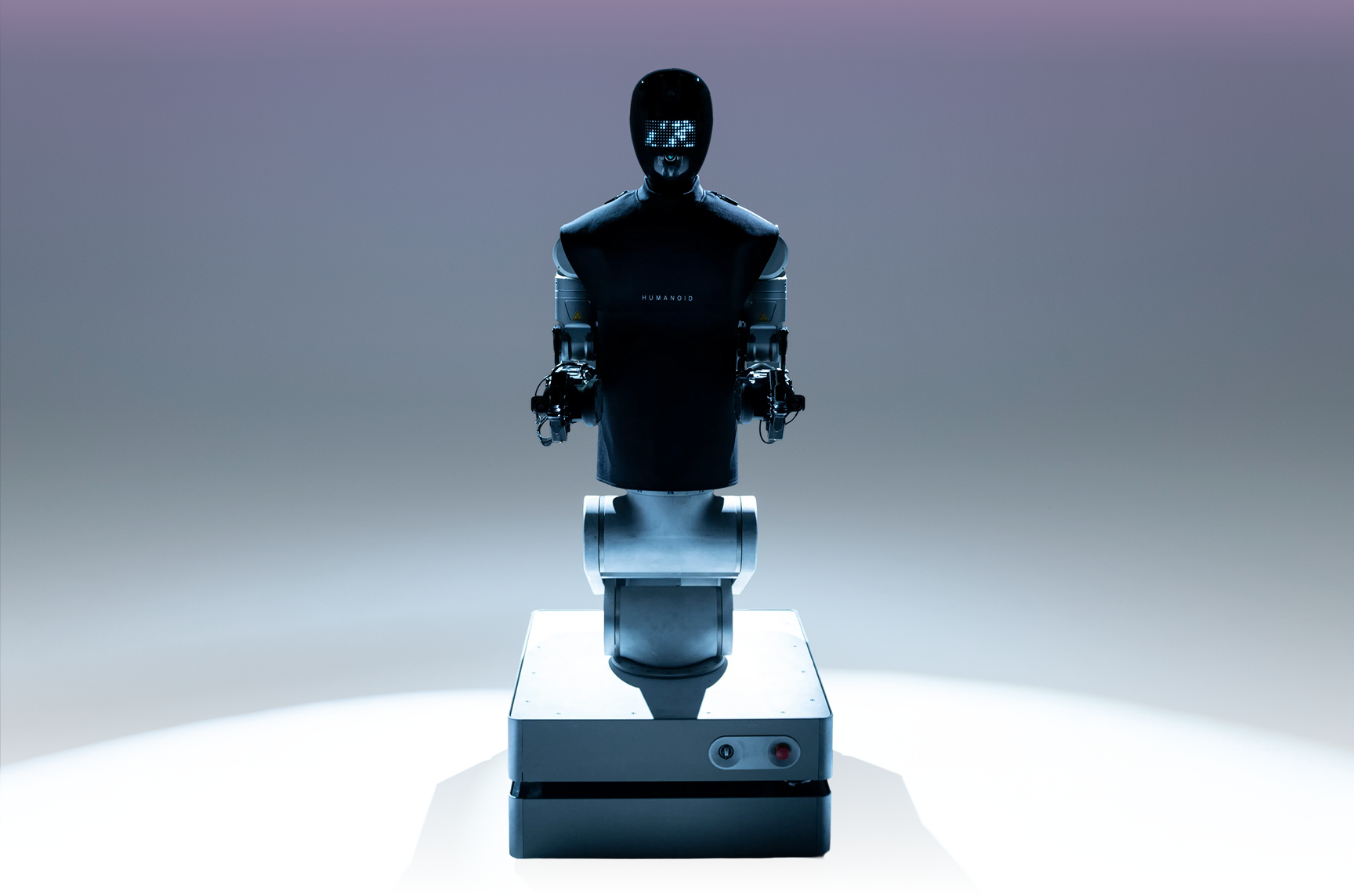
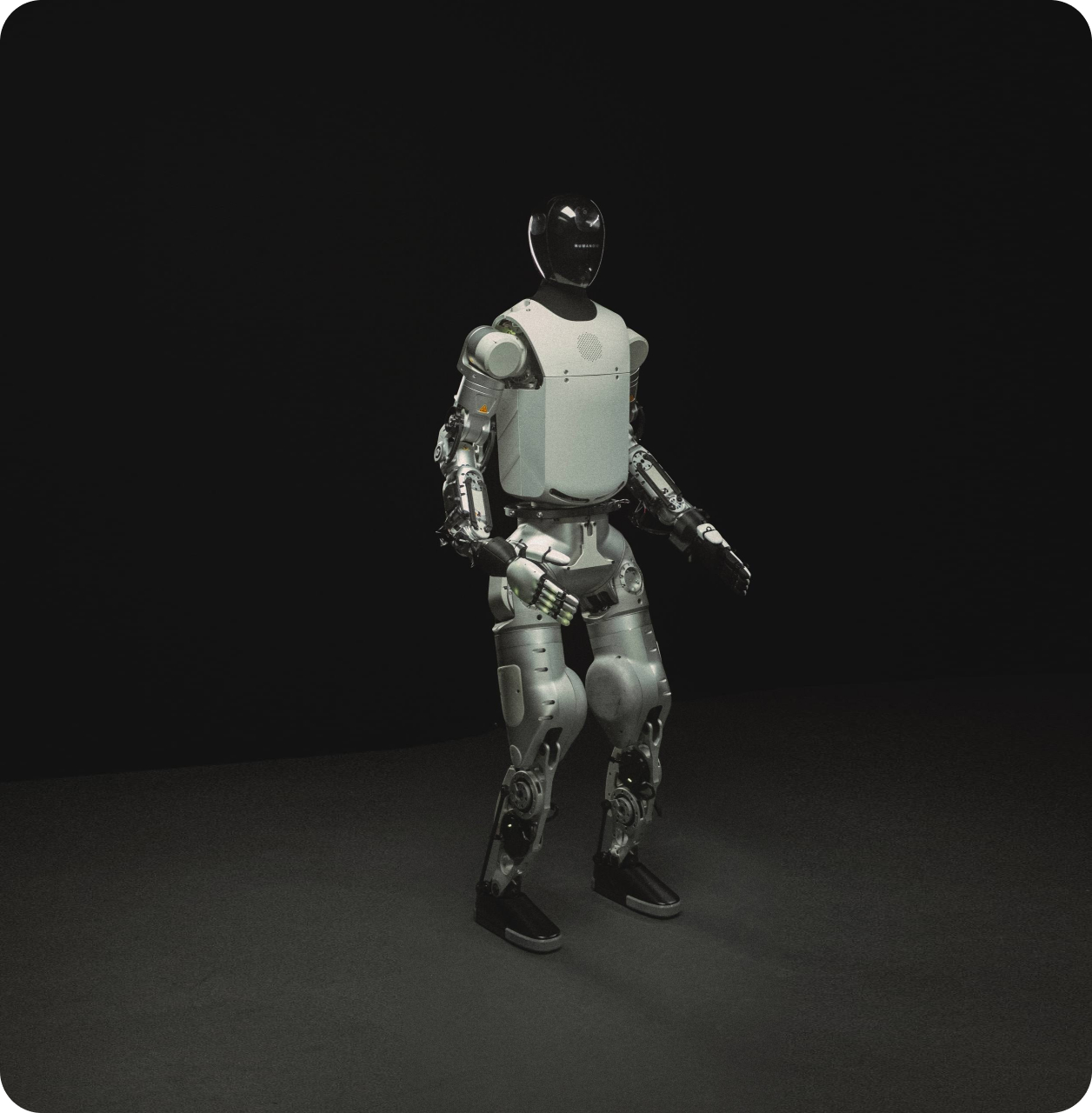
Humanoid is the first AI and robotics company in the UK, creating the world’s most advanced, reliable, commercially scalable, and safe humanoid robots. Our first humanoid robot HMND 01 is a next-gen labour automation unit, providing highly efficient services across various use cases, starting with industrial applications.
We are assembling a world-class robotics engineering team in Vancouver to solve some of the hardest problems in humanoid robotics — high torque density actuation, robotic mobility, precision manipulation, lightweight structural systems, and scalable hardware platforms.
We are looking for a Senior Mechanical Design Engineer to design and build the core mechanical systems that power our humanoid robots.
If you enjoy building high-performance electromechanical systems at the edge of what’s possible, we want to hear from you.
Our Mission
At Humanoid we strive to create the world’s leading, commercially scalable, safe, and advanced humanoid robots that seamlessly integrate into daily life and amplify human capacity.
About the Role
As a Senior Mechanical Design Engineer at Humanoid, you will own the design and development of key mechanical subsystems, including robotic joints, actuators, structural assemblies, and dynamic mechanisms that enable humanoid mobility and manipulation.
This role requires strong fundamentals in mechanical design, system integration, and GD&T (ASME Y14.5), as well as a passion for building complex hardware systems.
You will collaborate closely with robotics, controls, electrical, and software teams to rapidly prototype, test, and deploy robotic hardware.
Your work will directly influence the performance, reliability, and scalability of our humanoid robots.
What You’ll Do
- Design and develop mechanical systems for humanoid robots, including structural components, joints, actuators, and robotic linkages
- Create 3D CAD models and production drawings using SolidWorks / NX, applying GD&T (ASME Y14.5) to ensure precision and manufacturability
- Design robotic mechanisms and linkages optimized for strength, weight, efficiency, and durability
- Select materials and manufacturing methods that balance performance, weight, cost, and scalability
- Lead rapid prototyping and iteration, using tools such as 3D printing, CNC machining, and rapid fabrication
- Work closely with electrical, controls, and software engineers to integrate motors, sensors, and embedded systems into robotic platforms
- Conduct mechanical testing and validation to verify performance, durability, and system reliability
- Perform design reviews, risk assessments, and safety analysis to ensure robust robotic systems
- Generate and maintain technical documentation, including engineering drawings, specifications, and bill of materials (BOM)
- Own mechanical subsystems from concept through prototyping, testing, and deployment
We’re Looking For
- 5+ years of professional experience in mechanical design for robotics, electromechanical systems, or complex hardware products
- Bachelor’s or Master’s degree in Mechanical Engineering, Robotics, Mechatronics, or a related field
- Strong fundamentals in mechanics, statics, dynamics, and material science
- Proficiency with SolidWorks or similar CAD tools
- Experience applying GD&T based on ASME Y14.5
- Experience designing precision mechanical assemblies or mechanisms
- Familiarity with manufacturing processes such as CNC machining, additive manufacturing, and injection molding
- Hands-on experience building, assembling, and testing mechanical prototypes
- Strong analytical and problem-solving skills
- Ability to work effectively in a fast-paced, multidisciplinary engineering environment
Bonus Qualifications
- Experience developing robotic or mechatronic systems
- Experience designing robotic actuators, gear trains, or transmission systems
- Experience working on humanoid, legged, or mobile robots
- Experience performing FEA or structural simulations
- Experience designing lightweight structural systems
- Familiarity with robotic safety standards such as ISO 10218
- Experience in robotics, aerospace, automotive, or advanced hardware startups
What We Offer
- Meaningful time off to rest and recharge: 23 days of annual leave (accrued), separate sick leave, and paid company holidays.
- Comprehensive private health coverage for Canada‑based employees, including fully paid medical and dental, virtual care, employee and family assistance, and worldwide emergency medical support.
- Free daily catered lunch, snacks, and drinks in‑office.
- Collaboration with top‑tier engineers, researchers, and product experts in AI and robotics.
- Freedom to influence the product and own key initiatives.
How to Apply
Does this role sound like the perfect fit for you?
Fill in the form and include links or files that showcase the best of what you’ve built and achieved.
Apply now
*indicates a required field